
16-17 SEPTEMBER 2026 | ICC SYDNEY

23-24 Jul 2025

ICC SYDNEY

What is Regenerative Development?

The word regenerate has been very popular in the circular space over the last few years. Regeneration is more than just managing materials and resources. It’s a shift in how Australia designs, makes, utilises and values resources.

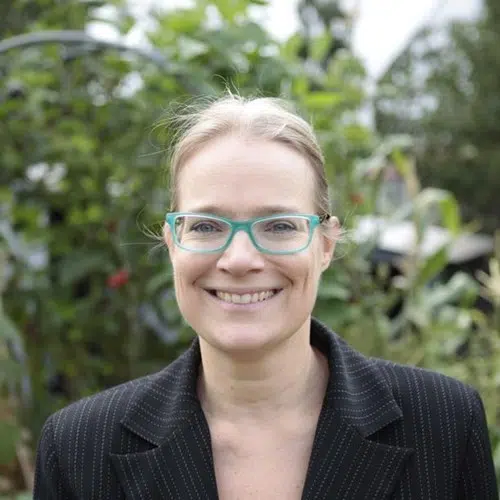
ReGen Expo speaker, Dominique Hes from Geronimo Advisory, explored what many in Australia’s circular resource sector quietly feel – the work we do with materials won’t stick unless the stories behind them change. Her Circularity Stage session, ReGen 101, cut through years of technical debate to explain regeneration in plain terms – what it is and why it matters. She also covered how you can use it across design, policy, operations and community.

Why Regenerative Development?

Hes has worked across science, engineering, design and governance. When completing her PhD, she found that regeneration, not sustainability, offers the most practical path for a flourishing future.

Her message to the room was simple: you can’t build a circular economy on materials alone. You need stories, relationships and agency. Without them, even the best recovery system breaks down.

Speaker

Dominique Hes

Dominique Hes

Principal
Geronimo Advisory

About

Dominique started working in LCA life cycle assessment in 1994 in Europe. She worked on Eco-Indicator 98, ecolabels and LCA software development until 1998. Back in Australia, she completed a PhD and was an academic for 20 years. Currently, she is the chair of Greenfleet, on the Board of Regen Melbourne and Principal at Geronimo Advisory. Over the past year she has been doing policy work in embodied carbon and Circular Economy as part of the CE Ministerial Advisory Group.

Access the ReGen 101 session captured live at ReGen 2025
Watch Now

Importance of circularity and story

Most circular strategies today start with materials – what we extract, how long we keep them in play and how we recover them at end of life. It’s important work, but Hes reminded us that systems don’t regenerate on material value alone.

A forest recovers after fire only if the ecosystem is healthy before the flames. A business rebounds from crisis only if staff and customers feel connected enough to stay. A waste stream delivers value only if people care enough to separate it. The conditions behind the system decide whether regeneration is possible.

This is where story comes in. Story is culture, trust, knowledge and community. It shapes whether people engage, innovate or walk away. It also determines whether circularity is a compliance task or a collective responsibility.

“Create the story,” stated Hes, “and the stuff will follow.”

Access the full ReGen 101 session recording by completing the form. 

Achieving regeneration by using the full supply chain

Hes reframed the old proverb. Instead of giving someone a fish or teaching them to fish, regenerative practice teaches people to love the ocean. When people care, stewardship follows. When stewardship takes hold, circularity becomes easier, cheaper and more resilient. 

This applies across the entire value chain.

  • For manufacturers: source locally, support Indigenous suppliers and bring workers into the decisions. People on the production floor often hold the most useful insights. If you give them the platform to contribute, the results will speak for themselves.

  • For designers: design products that last, can be repaired and feel worth keeping. Build story into the object so people value it and want to pass it on. 

  • For teachers and trainers: create safe environments where people can try, fail and learn. Regeneration grows through capability, not instruction.

  • For boards and policy makers: shift from enforcing behaviour to enabling it. Ask what industry needs to succeed rather than dictating how they should operate. 

The future of Regenerative Development in Australia 

Australia’s resource economy still relies heavily on raw material extraction. Regeneration gives industry and government a practical framework to prepare for the future. This can be achieved by building local capability and strengthening communities of practice. Investing in both physical and social conditions are also needed for circular systems to thrive.

Hes closed with a reminder: the magic isn’t in the materials. It’s in the people, the relationships and the shared responsibility to leave a positive legacy.

Regen isn’t just an idea for tomorrow. It’s work we need to start doing today.

Access the ReGen 101 session captured live at ReGen 2025
Watch Now